
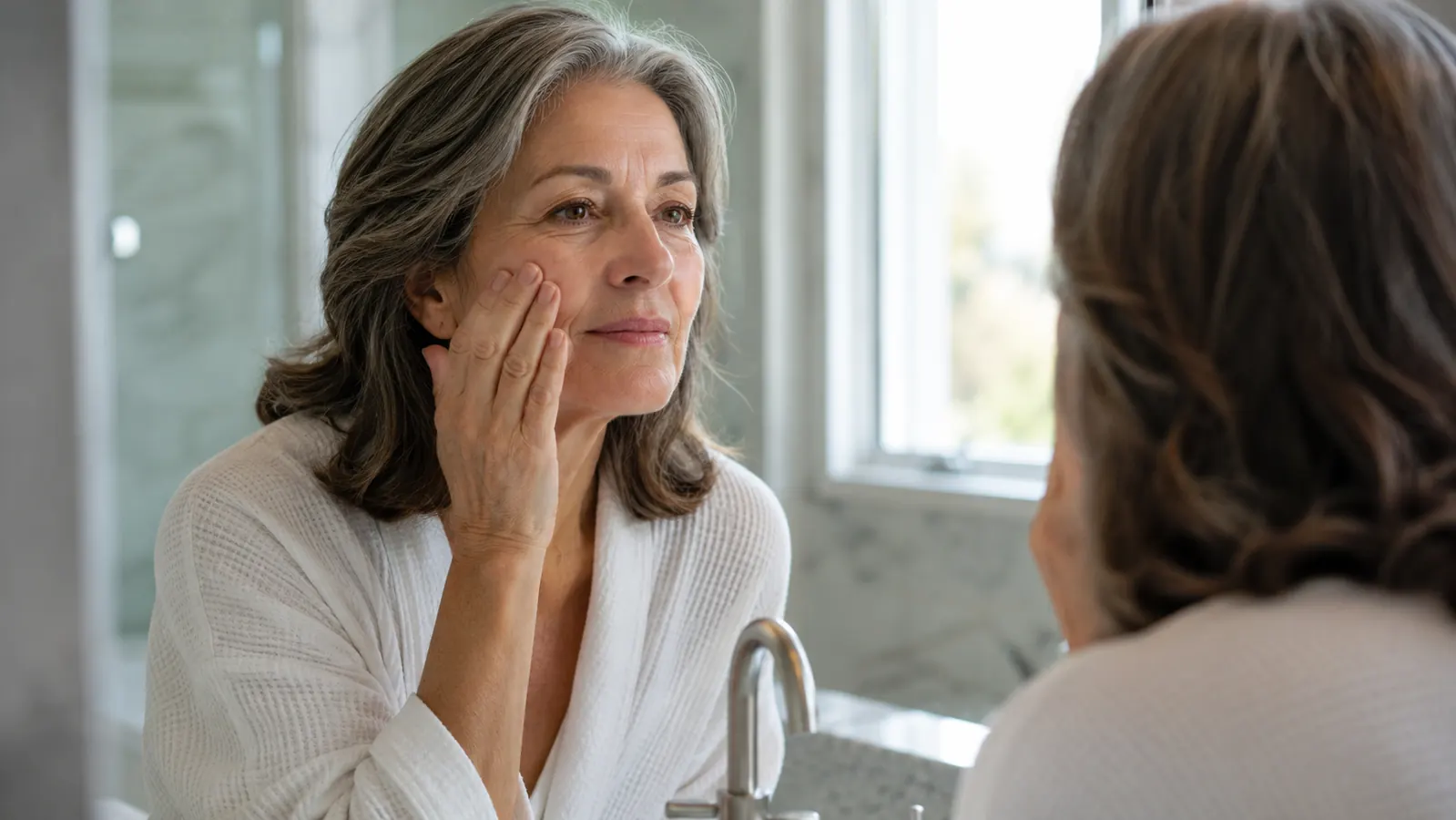
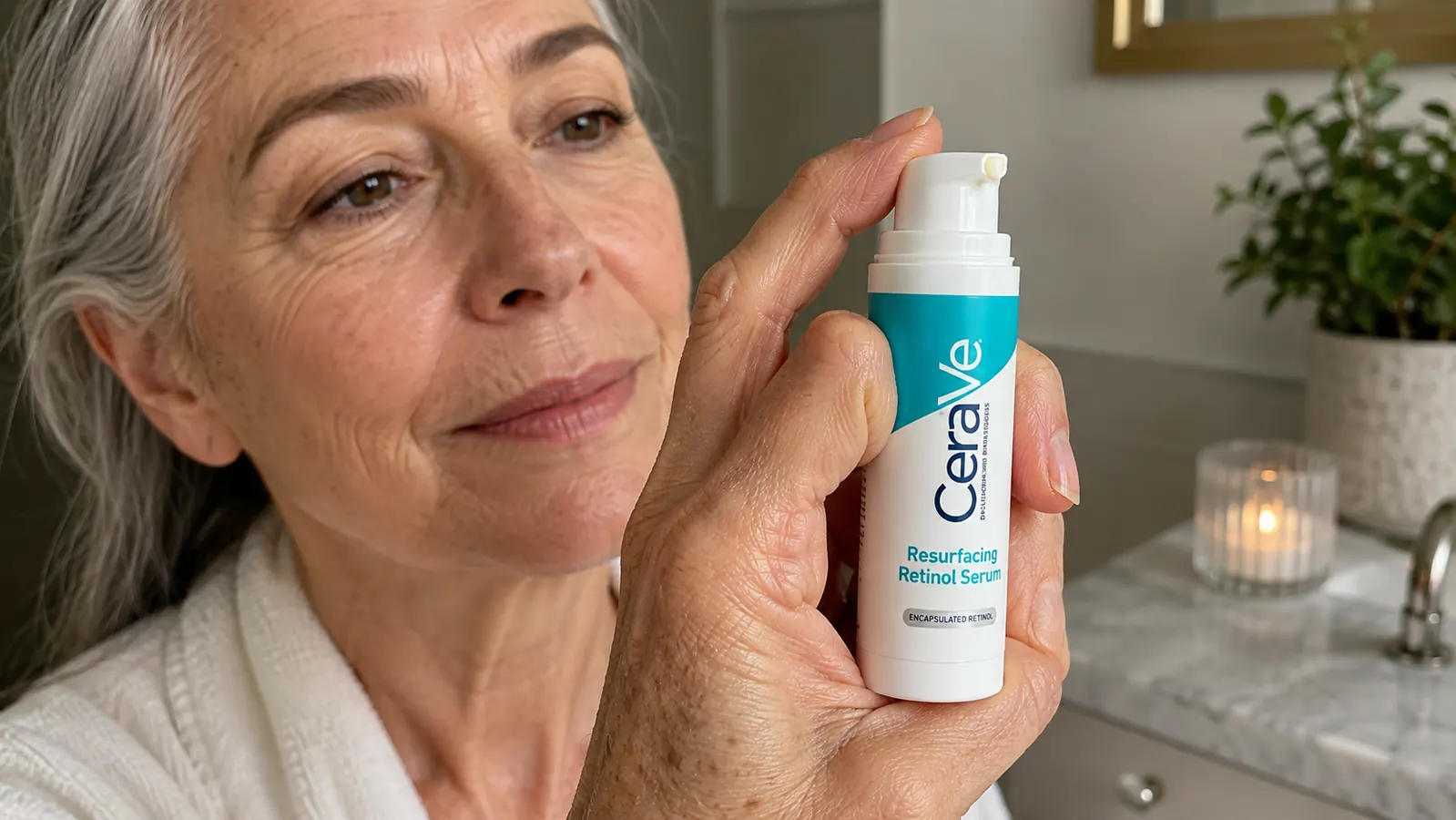
I didn't add retinol to my routine because a magazine told me to. I added it at fifty-nine because my dermatologist, the same one who's been checking my skin for spots since I was forty, said the same thing three appointments in a row: if I wanted to do one thing that actually held up under a microscope, it was retinol. I started with CeraVe's Resurfacing Retinol Serum because she could point to it on a shelf and explain why the concentration and the buffering ingredients were right for a first-timer, not because the label promised anything dramatic.
What follows isn't a sales pitch. It's the actual list of reasons retinol earned a permanent spot next to my toothbrush, the same reasons that keep showing up in dermatology journals long after the trend pieces move on to something newer. None of these ten reasons are secret or new, they're just the ones that actually held up once I stopped paying attention to packaging and started paying attention to my own skin over months, not days. Here's the short version: why this ingredient, and not some other jar, is worth the short adjustment period it asks of you.
Before the List: What I Actually Use
CeraVe's Resurfacing Retinol Serum with niacinamide is the bottle behind every reason on this list, one pump, most nights, nothing complicated about it.
Amazon See Today's Price on Amazon →It Speeds Up What Your Skin Has Slowed Down
By your fifties, skin cell turnover that used to take about a month can stretch closer to six weeks, which is part of why dullness creeps in even with good sleep and enough water. Retinol pushes that cycle back toward what it used to be. This CeraVe serum uses encapsulated retinol, released slowly overnight, so turnover speeds up without the raw, stinging version some older retinol products still use.
It Tells Your Skin to Keep Making Collagen
Collagen production drops by roughly one percent a year after thirty, and nothing you eat or drink reverses that on its own. Retinol is one of the few over the counter ingredients with real research behind it for nudging fibroblasts, the cells that build collagen, back into gear. It won't turn back the clock, but three months in, my jawline held onto more definition by evening than it used to.
It Fades the Spots Sunscreen Can't Undo
Sunscreen stops new sun damage, it doesn't erase the spots already sitting there from decades of summers before anyone talked us into SPF every day. Retinol interrupts the pigment clumping that keeps those spots dark. Mine, mostly on my left cheek from years of driving, are still there, just lighter and less obvious under makeup, which is a fair trade for a nightly pump of CeraVe's serum.
It Softens Lines Without a Single Needle
Fine lines around the eyes and mouth get deeper partly because the skin underneath them is thinner and drier than it was at forty. Retinol thickens the deeper layer of skin over time, so lines have less of a groove to sit in. It's gradual, closer to a slow fill than an eraser, and it shows up first in photos before you notice it in the mirror.
It Makes Pores Look Smaller, Not Just Hidden
Pores don't actually shrink with age, they just look larger as the skin around them loses firmness and sags slightly at the edges. Retinol firms that surrounding tissue and keeps oil and dead skin from building up inside the pore itself. My nose, the part of my face I've complained about since my twenties, finally looks smoother in daylight, no filter required, since I started with the CeraVe formula.
It Smooths Rough Patches Sunscreen Alone Won't Fix
Rough, bumpy texture on the cheeks and forehead is usually built-up dead skin that hasn't shed properly, and it gets worse with age as turnover slows. Retinol clears it the way a gentle exfoliant would, but from inside the skin rather than by scrubbing the surface. Foundation goes on smoother now than it did a year ago, and that's the honest reason I stuck with it through the slightly dry first two weeks.
It's the One Ingredient Dermatologists Actually Agree On
Plenty of ingredients get hyped for a season and disappear. Retinol has been studied since the 1970s and it's still the ingredient dermatologists reach for first when a patient over fifty asks what actually works. That track record is the reason I trusted a drugstore option instead of chasing whatever influencer serum was trending, and it's why CeraVe's version, formulated with input from dermatologists, was an easy first choice.

The Right Formula Skips the Angry Red Peeling Phase
The old reputation retinol has, the red, flaking, peeling first month, comes mostly from older formulas released all at once instead of gradually. Encapsulated retinol paired with ceramides and niacinamide, which is what's in this particular serum, buffers that release so the irritation is milder and shorter. I had two nights of mild tightness in week one and nothing after that.
It Simplifies a Routine That Was Getting Out of Hand
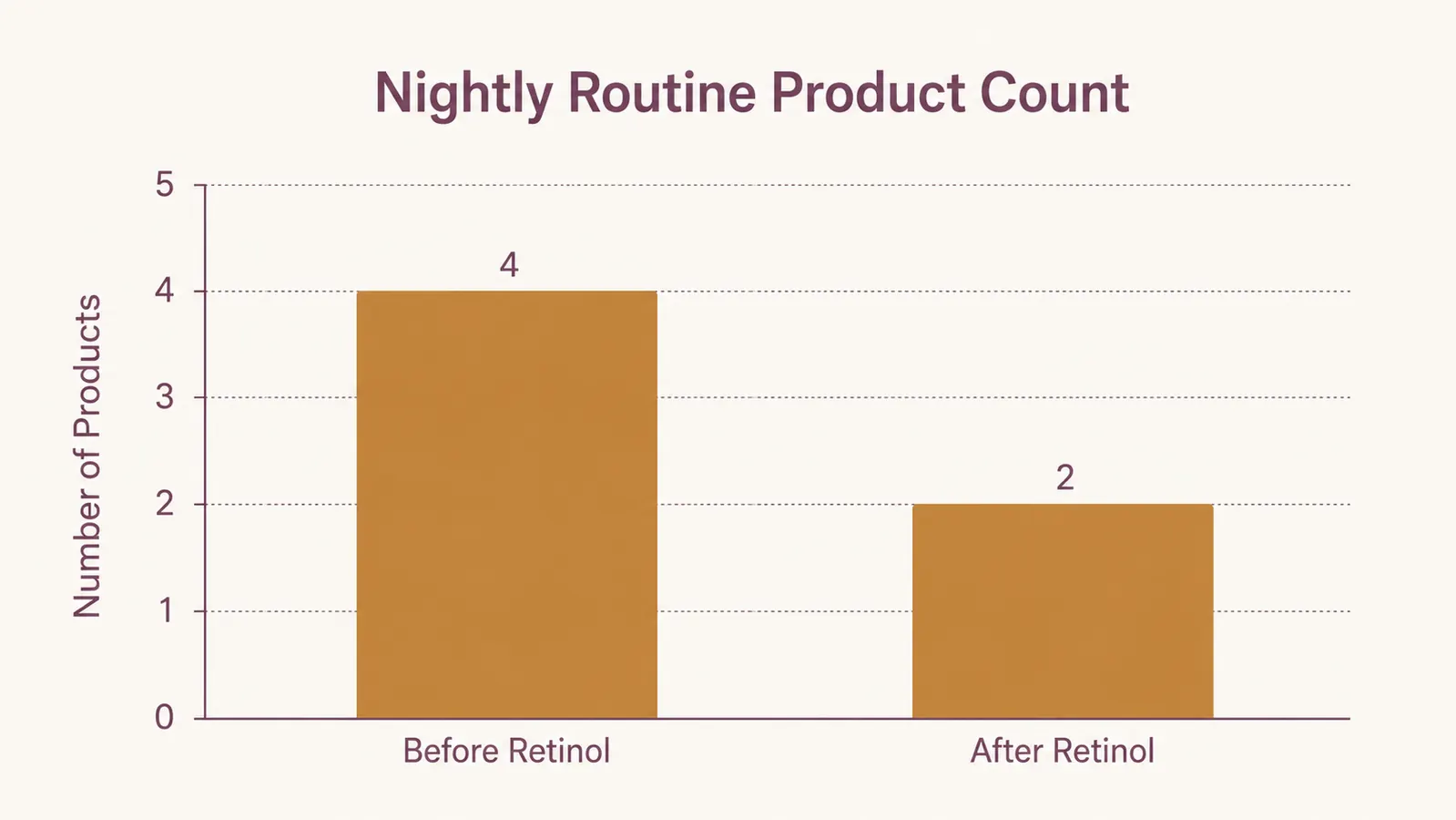
I used to layer four separate products every night, a serum for spots, another for lines, a third for texture, and a moisturizer on top. Retinol does the work of the first three at once, which meant I could drop two products from my counter without losing results. If you're just starting out, ease in two nights a week before going nightly, and I laid out exactly how in a separate guide.
It Keeps Working Quietly, Long After the Excitement Wears Off
The results that matter aren't the ones from week two, they're the ones still holding at month six when you've stopped paying close attention. Retinol keeps doing its job in the background as long as you keep using it, which is really the whole test for anything on this site: does it still earn its spot after the excitement wears off. This one has, so far, earned mine. If you want the unfiltered version, including the two weeks I almost gave up, I wrote that up in a separate review.
What I'd Skip
What I'd skip is layering retinol under a strong glycolic or salicylic treatment on the same night, no matter which retinol you're using. That combination is what actually causes the redness and peeling retinol gets blamed for. I also wouldn't jump straight to a prescription-strength tretinoin at fifty-plus without trying an over the counter option first, since a gentler entry point like the CeraVe serum tells you how your skin reacts before you commit to something stronger. I'd also skip skipping sunscreen the morning after, since retinol makes skin more sensitive to sun for the rest of the day. If you're weighing this specific serum against a bare-bones option like The Ordinary's retinol, I compared the two directly in this side-by-side, and the differences matter more than the price tag suggests.
Retinol isn't a fast ingredient. It's a patient one, and patience is something I have more of now than I did at thirty.
Ready to Start
If you've read this far, you already know why retinol keeps showing up on every dermatologist's list. The CeraVe Resurfacing Retinol Serum is the specific bottle behind everything above, priced like a drugstore product but built with the same encapsulated retinol technology dermatologists recommend.
Amazon Check Today's Price on Amazon →